
Showers Built for Accessibility
Bath to Shower Conversion in McKinney for homeowners replacing tubs with walk-in showers that eliminate step-over barriers
Walk-in showers in Collin County homes provide accessibility advantages and modernize bathroom layouts, but converting a bathtub to a shower requires more than removing the tub and installing a base—drain locations often need relocation to center the shower pan, waterproofing substrate must extend from floor to ceiling rather than stopping at tub height, and rough-in plumbing may require valve repositioning to accommodate new fixture placement. Bath Masters of Collin County completes bath to shower conversions in McKinney with drain relocation when required, custom shower pan installation, waterproofing substrate that prevents moisture intrusion, tile walls built to match your finish selections, and fixture valve installation that delivers consistent temperature control. All new shower installations qualify for a lifetime transferable warranty covering leaks and structural failures.
Conversion work begins with tub demolition and subfloor inspection to determine whether drain relocation is needed and whether framing supports a recessed shower pan or requires a surface-mounted base. Waterproofing membrane is applied to walls and floor before the shower pan is installed, preventing water from reaching framing even if tile grout eventually cracks. Tile walls are built with slope calculations that direct water toward the drain without creating puddles, and fixture valves are positioned at heights that accommodate standing shower use rather than tub-mounted configurations.
Arrange a conversion consultation to review drain location and fixture placement before shower pan and tile selections are finalized..
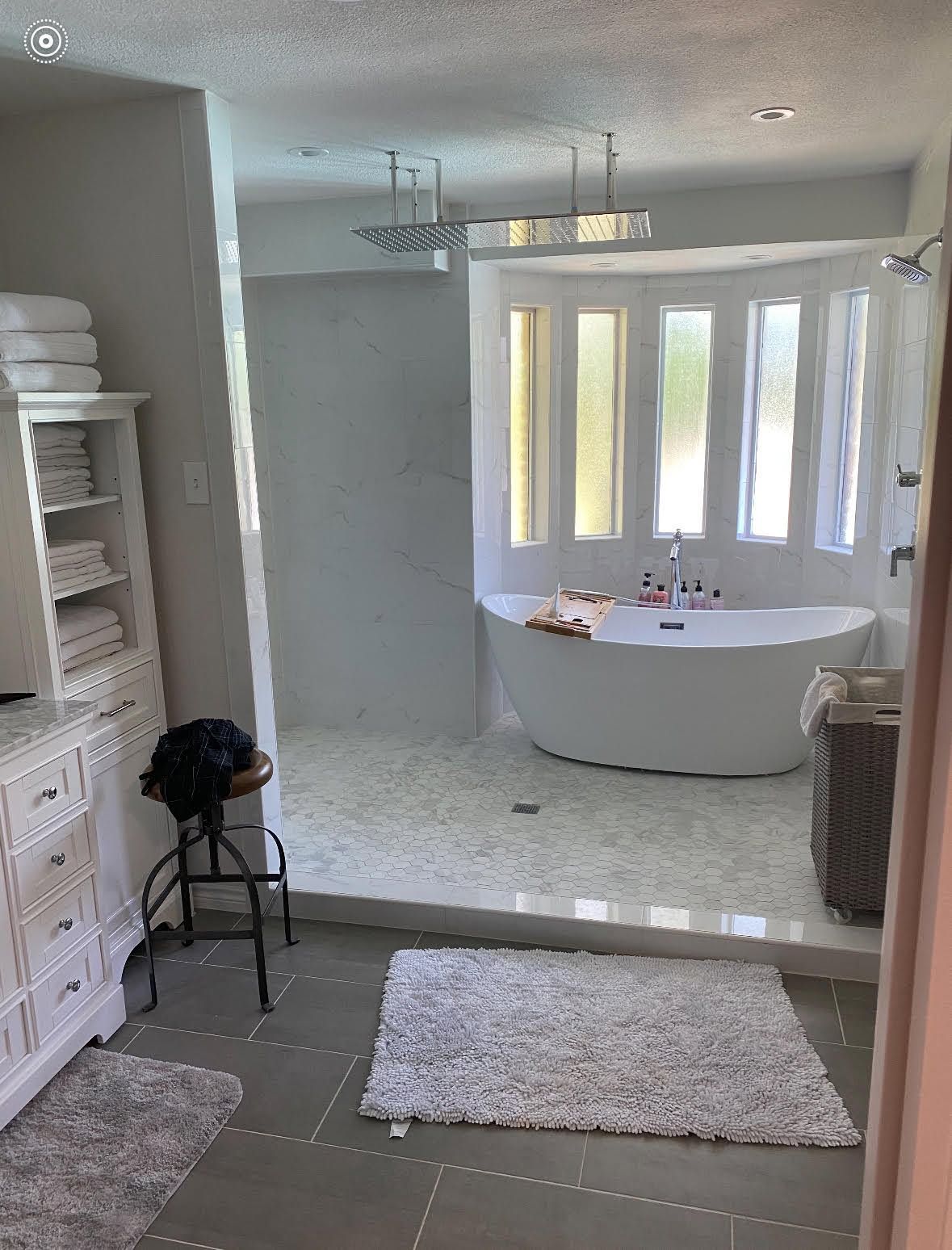
What Changes After Conversion Completes
Bath to shower conversions involve demolishing the existing tub and surround, rerouting the drain if necessary to center the new shower pan, installing waterproofing substrate on walls and floor, setting the shower pan with proper slope toward the drain, building tile walls with expansion joints at pan interfaces, installing fixture valves at appropriate heights, and applying final sealing at all penetrations. Glass enclosures or surround panels are added based on your preference for open-entry showers or enclosed designs. The work requires coordination between rough-in plumbing, waterproofing, and finish carpentry to ensure that each phase supports the next without creating gaps or misalignments.
Once the conversion is complete, you'll notice that the shower floor drains completely without leaving standing water and tile walls extend to the ceiling to eliminate the grout-line gap common in tub surrounds. Fixture valves deliver consistent water temperature without requiring mid-shower adjustments, and glass enclosures remain sealed without leaking at the threshold because the pan was sloped correctly during installation. The shower operates without the musty odor that develops in tub surrounds where water seeps behind tile and remains trapped in wall cavities.
Conversions include tub removal, drain relocation if required by shower pan dimensions, waterproofing membrane installation on floors and walls, custom shower pan or base installation, tile wall construction, fixture and valve installation, and glass or panel enclosure assembly. The lifetime warranty provided by Bath Masters of Collin County covers shower pans, walls, and enclosures against leaks and structural failure, transferring to future owners if you sell the home..
Common Questions About This Service
Converting a tub to a shower affects plumbing layout and bathroom functionality, and understanding the process helps you plan for realistic timelines and material decisions.
Why does drain relocation sometimes become necessary?
Bathtub drains are typically located at one end of the tub footprint, while shower drains need to be centered in the pan to ensure proper water flow and prevent pooling. Relocating the drain involves cutting the subfloor, rerouting the drainpipe, and reinforcing framing before the new pan is installed.
How does shower pan slope affect long-term performance in McKinney?
Properly sloped pans direct water toward the drain without allowing puddles to form, reducing the time moisture remains in contact with grout joints and tile surfaces. Standing water accelerates grout deterioration and increases the chance that moisture will penetrate waterproofing membranes over time.
What does the lifetime shower warranty cover?
The warranty applies to shower pans, walls, door assemblies, and enclosures, protecting against leaks and structural failure for as long as you own the property and transferring to future buyers. Coverage includes repairs or replacement if waterproofing systems fail or enclosure components leak.
When should fixture valves be replaced during conversion?
Valves should be replaced rather than reused if they were installed more than fifteen years ago, if they drip or fail to regulate temperature consistently, or if new fixture trim doesn't match existing valve bodies. Replacing valves during conversion prevents callbacks for leaks or temperature control failures after tile work is finished.
What glass enclosure options work for walk-in showers?
Frameless glass panels provide modern aesthetics and simplify cleaning but require precise measurements and solid anchoring points in tile walls. Semi-framed enclosures cost less and tolerate minor installation variances, while full enclosures with doors contain water more effectively than open-entry designs in smaller bathrooms.
Bath Masters of Collin County manages bath to shower conversions with waterproofing and fixture placement designed for long-term durability rather than fast completion. Request a drain and plumbing evaluation to determine whether your existing bathroom layout supports conversion without extensive rough-in modifications.