
Tile Work That Survives Water Exposure
Tile Installation & Repair in McKinney for bathroom surfaces where precision determines how long finishes last
Tile failures in Collin County bathrooms usually trace back to substrate preparation rather than the tile itself—mortar beds applied too thin to support weight, waterproofing membranes skipped to save time, or grout joints sized incorrectly for the tile material. You'll see cracked grout lines within a year, hollow-sounding tiles that eventually detach, or water stains on ceilings below the bathroom. Bath Masters of Collin County provides tile installation and repair in McKinney with attention to substrate waterproofing and mortar selection that determines whether tile remains bonded after years of thermal cycling and moisture exposure.
Installation work begins with substrate evaluation and waterproofing membrane application before any tile is set. Mortar type is selected based on tile material and substrate composition—porcelain tiles on cement board require different adhesives than natural stone on drywall. Grout joint width is planned during layout to accommodate expansion and contraction without cracking. Repair work addresses existing installations where tiles have detached or grout has failed, including substrate inspection to determine whether the failure resulted from improper waterproofing or structural movement.
Arrange an on-site evaluation to assess substrate conditions and tile layout requirements before material orders are placed.
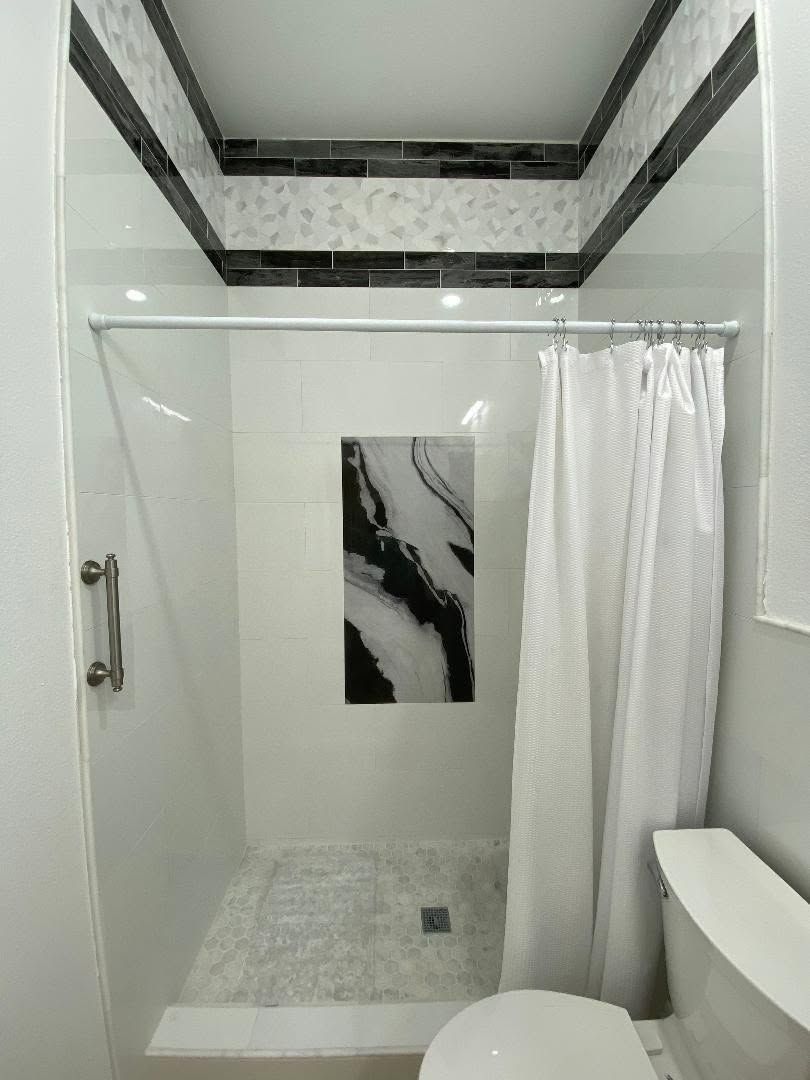
How Tile Installation Addresses Waterproofing
Tile installation in McKinney bathrooms involves more than setting tiles in adhesive—substrate must be prepared to resist water intrusion, and mortar must be selected to bond with both the tile backing and the substrate surface. Waterproofing membranes are applied to cement board or drywall before mortar is troweled, creating a barrier that prevents moisture from reaching framing members. Grout sealing follows tile installation by several days to allow mortar to cure fully, ensuring that sealer penetrates grout joints without trapping moisture in the adhesive layer.
Once installation is complete, tile surfaces shed water without allowing moisture to seep into grout joints, and floors remain level without lippage between adjacent tiles. Shower walls no longer show efflorescence or discoloration around fixtures, and tiles sound solid rather than hollow when tapped. Grout lines maintain consistent color because sealer was applied after the mortar cured, preventing moisture from migrating through porous grout and staining the surface.
Installation includes substrate waterproofing, mortar application with proper trowel notch depth, tile setting with spacers to maintain joint consistency, and grout application followed by sealing. Repair work may require removing surrounding tiles to access substrate, addressing waterproofing deficiencies, and re-setting tiles with mortar that matches the existing installation method..
What Property Owners Usually Ask
Tile installation decisions affect how bathroom surfaces perform under daily use, and understanding material and substrate requirements helps you evaluate quality before work begins.
What determines whether tile remains bonded to shower walls?
Waterproofing membrane installed between substrate and mortar prevents water from weakening the adhesive bond, and mortar must be selected to match tile material—porcelain requires modified thin-set, while natural stone may need epoxy-based adhesives to prevent staining.
How does climate in McKinney affect tile installation?
Temperature and humidity during installation affect mortar cure times—summer heat accelerates curing and may require misting to prevent premature drying, while winter humidity slows curing and extends the time before grout can be applied. Proper curing prevents tiles from detaching once the bathroom returns to normal use.
Why do grout lines crack in some bathroom installations?
Grout joints sized too narrow for the tile dimensions don't accommodate thermal expansion, and grout applied before mortar fully cures traps moisture that weakens the bond. Flexible grout formulations work better in areas with temperature swings, such as shower floors.
What should I look for when evaluating tile repair proposals?
Proposals should specify whether substrate will be inspected for waterproofing deficiencies, how replacement tiles will be sourced to match existing finishes, and whether surrounding tiles need removal to ensure proper adhesive coverage.
When should tile be resealed after installation?
Grout sealer is applied seven to ten days after grouting to allow mortar to cure completely, and resealing every two to three years maintains water resistance as grout porosity increases with age and cleaning chemical exposure.
Bath Masters of Collin County integrates tile work into full bathroom remodels and provides standalone repair services where substrate conditions allow. Request a substrate inspection to determine whether existing tile failures require isolated repair or full reinstallation with waterproofing updates.