
Code-Compliant Rough-In and Fixture Installation
Bathroom Plumbing & Electrical in McKinney for drain relocations, circuit upgrades, and inspection-ready installations
Older homes in Collin County often require drain relocation, vent stack adjustments, and GFCI circuit installation during bathroom remodels. Bath Masters of Collin County coordinates plumbing and electrical rough-in work with tile, fixture, and finish phases to meet local code requirements and pass inspections. The work includes supply line installation, fixture trim-out, ventilation fan wiring, and heated floor circuits when applicable.
Plumbing rough-in involves drain relocation to accommodate new fixture placement, vent stack routing to maintain proper drainage airflow, and supply line installation for sinks, toilets, and showers. Electrical work includes dedicated GFCI circuits for outlets near water sources, ventilation fan installation to control moisture buildup, and lighting circuits positioned for task and ambient needs.
Arrange an evaluation to identify plumbing and electrical modifications required for your planned bathroom layout.
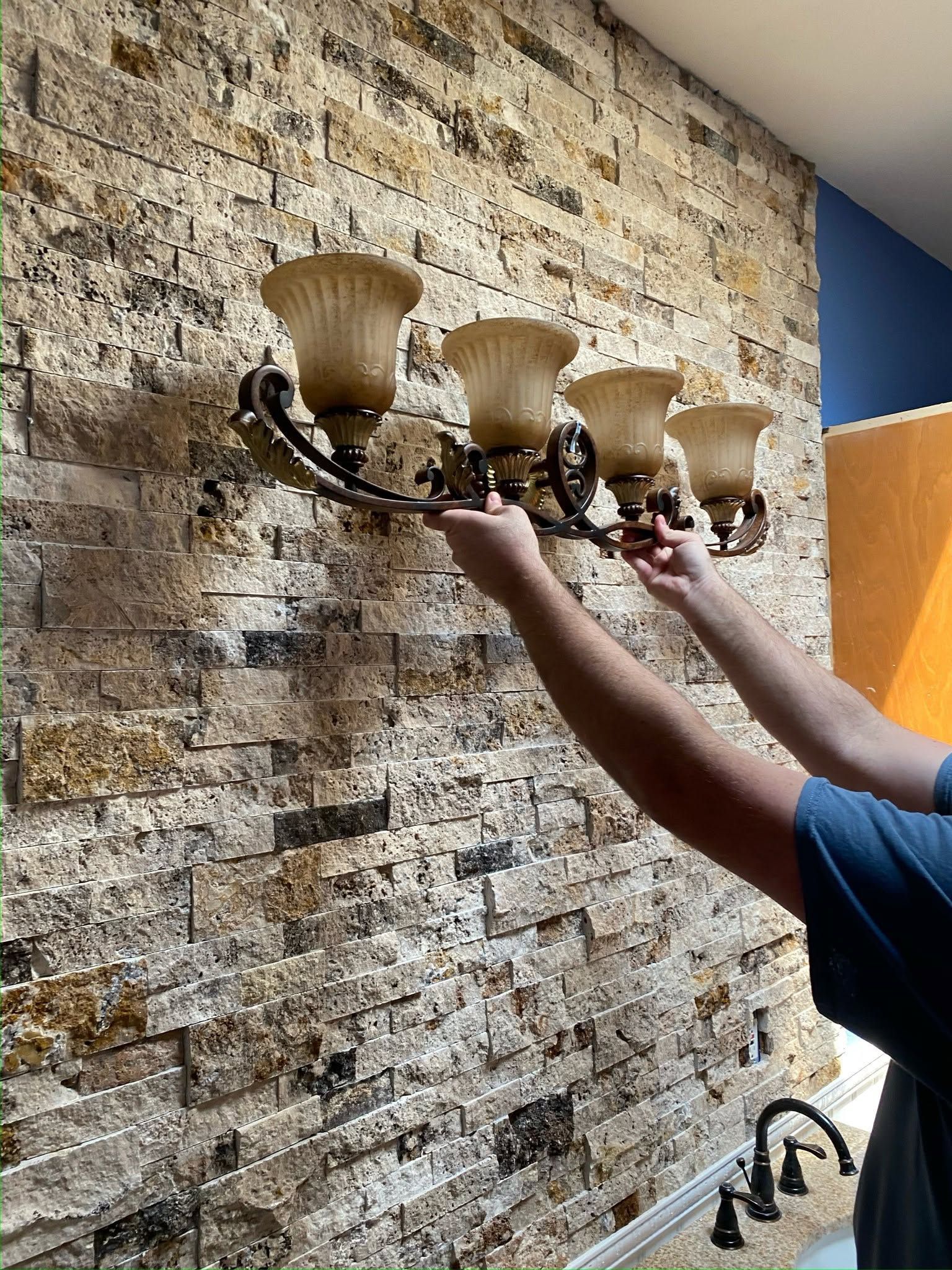
How Plumbing and Electrical Work Gets Coordinated
Rough-in happens after demolition and before any finish materials are installed, allowing access to framing and subfloor for drain and supply line routing. GFCI protection is required for all bathroom outlets within six feet of water sources, and ventilation fans must be ducted to exterior terminations rather than venting into attic spaces where moisture causes insulation and framing damage. Heated floor circuits require dedicated breakers and thermostats positioned outside the wet area to meet code.
Once rough-in is inspected and approved, you'll have supply lines positioned exactly where fixtures mount, drains sloped correctly to prevent clogs and slow drainage, and circuits that deliver power without tripping breakers when multiple devices run simultaneously. Ventilation fans exhaust moisture directly outside, reducing humidity that would otherwise condense on mirrors, walls, and ceilings. Fixture trim-out happens after tile and flooring installation, connecting the visible faucets, showerheads, and outlets to the infrastructure installed during rough-in.
The work integrates with other trades during phased remodels, coordinating tile installation, cabinetry placement, and finish work to avoid delays or rework.
Questions About Bathroom Plumbing and Electrical
Bathroom remodels in McKinney often involve upgrading outdated plumbing and electrical systems to meet current code and support new fixture configurations.
What does rough-in work include during a bathroom remodel?
Rough-in includes drain relocation, vent stack routing, supply line installation for all fixtures, GFCI circuit installation, ventilation fan wiring, and any heated floor circuits. This phase happens after demolition and before finish materials are installed, allowing access to framing and subfloor.
Why do older Collin County homes require electrical upgrades during bathroom remodels?
Many older homes lack GFCI protection on bathroom circuits and don't have dedicated circuits for high-draw devices like heated floors or multiple lighting zones. Upgrades ensure the bathroom meets current code and handles the electrical load without tripping breakers or creating safety hazards.
How does vent stack routing affect drainage performance?
Vent stacks allow air into the drain system, preventing vacuum conditions that slow drainage and cause gurgling sounds. Proper routing maintains airflow even when multiple fixtures drain simultaneously, ensuring toilets flush completely and sinks empty quickly.
What happens during the inspection phase?
Inspectors verify that drain slope meets minimum requirements, supply lines are secured and leak-free, GFCI circuits are installed correctly, and ventilation fans are ducted to exterior terminations. Bath Masters coordinates inspection scheduling and addresses any corrections needed to obtain final approval.
When should fixture trim-out happen in the remodel timeline?
Trim-out occurs after tile, flooring, and wall finishes are complete, connecting visible faucets, showerheads, outlets, and light fixtures to the rough-in infrastructure. This sequencing protects finished surfaces from damage during installation and ensures precise alignment with tile patterns and grout lines.
Bath Masters of Collin County handles inspection coordination in-house, eliminating delays caused by subcontractors unfamiliar with local requirements. Schedule a consultation to review the plumbing and electrical modifications needed for your specific bathroom layout and fixture selections.